
Cell to Singularity: Evolution
ComputerLunchSimulation
4.512.56K Reviews
- Version
- 51.75
- Installs
- 10.00M
- Age Rating
- Everyone 10+
Screenshots
Our Review of Cell to Singularity: Evolution
 Analysis by Appyee
I tend to recommend Cell to Singularity: Evolution to people who enjoy science but don’t necessarily want a demanding strategy game. Its appeal is the long view: you start with basic life and gradually work through the story of evolution, with technology and later discoveries joining that progression. It’s a simulation game from ComputerLunch, and its central loop is easy to understand: collect resources, choose what to unlock, and watch the tree of life expand.
That loop suits short visits better than a long, uninterrupted session. I can see myself opening it while waiting for a kettle to boil, making a few decisions, then leaving it alone until there is time to return. The game is free to download, though in-app purchases range from $0.99 to $99.99 per item. I’d treat spending as optional rather than as a prerequisite: the useful question is whether I enjoy the steady pace enough to keep coming back.
Choosing a science game that fits your day
Before installing, I’d ask what I want from a science-themed game. If I want quick action, precise controls, or a story that moves forward through a sequence of dramatic scenes, this is probably not my first pick. Its satisfaction comes from incremental growth and small discoveries, not from reflexes or a constant stream of set-piece moments.
If I want something I can check in briefly, however, the idle structure is a good match. I can collect what has accumulated, spend it on an available step, read a new fact, and close the game without needing to remember a complicated chain of actions. That makes it easier to fit around work, school, or a commute than a simulation that expects sustained attention. The trade-off is that players who want every minute to feel active may find the quieter stretches slow.
Where its evolutionary tree earns its place
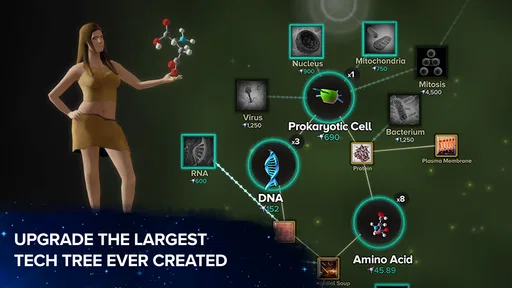
What makes this particular simulation more appealing to me than a generic tapping game is the context around its progression. Unlocks are framed as parts of a broad journey through life, rather than as unrelated upgrades with numbers attached. The tree gives the tapping a direction: I’m not merely trying to make a total rise, but seeing how one stage leads into another.
That framing also makes it a reasonable choice for curious younger players and adults who like learning in small pieces. The age rating is Everyone 10+, so I’d still use my judgement about whether its pace and subject matter suit a particular child, but it is clearly aimed at a broad audience rather than only specialist science fans. Its 4.6 average from around 388,000 ratings suggests many players have found that mix appealing; the game has also passed 10 million installs.
Alternatives, patience, and progress
Compared with a conventional management simulation, this puts less emphasis on running a busy operation and more on following a large-scale evolutionary theme. Compared with a biology reference app, it makes discovery interactive, but it is not a substitute for a structured lesson or a textbook when I need carefully organised study. I’d choose it for casual curiosity and choose a dedicated learning resource when accuracy, depth, or a planned curriculum matters more than play.
There is also a practical patience cost. Early progress can feel repetitive, and the basic action of tapping may not hold everyone’s attention. I find it helps to set a modest goal for each visit—one available discovery, or a quick look at what has accumulated—instead of treating every session as a test of how fast I can advance. That approach makes the idle rhythm feel intentional rather than like a task list.
Who should install it—and who should pass
I’d suggest giving it a try if you like evolution, enjoy collecting discoveries, or want a low-pressure game that can be paused and revisited. It is also a sensible fit for someone who wants a science-flavoured alternative to action games but does not need a strict lesson plan. The game is free, and its current version is 44.17; it supports Android 6.0 and later, which helps readers with older devices decide whether it is an option.
I’d skip it if repeated tapping quickly frustrates you, if you dislike idle progression, or if you want a simulation built around detailed control of a living ecosystem. It is also not my choice when I need a reliable study tool: the in-game facts add interest, but the game’s main job is to make progress entertaining. Knowing that distinction up front prevents the educational angle from creating the wrong expectation.
A realistic routine might be to open it during a short break, collect accumulated entropy, read the description attached to a newly available discovery, and choose one next step before returning to the day. I wouldn’t plan a whole evening around that loop unless I already enjoyed incremental games. Its strongest use is as a small, repeatable curiosity break, not as a replacement for a more involved hobby.
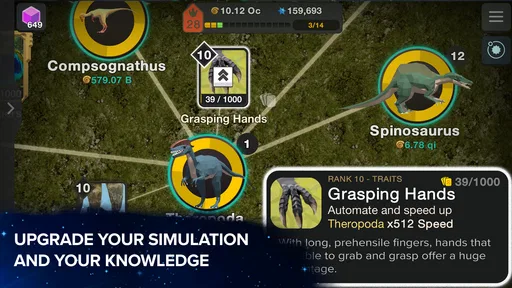
One tip I’d follow is to read the discovery text when a new item appears instead of racing past it. That is where the subject matter becomes more than a backdrop, and it gives each purchase of progress a little context. Another is to avoid spending simply because a button is available: deciding what part of the tree interests me most makes each session feel less like tapping for its own sake.
Embarking on the Evolutionary Journey
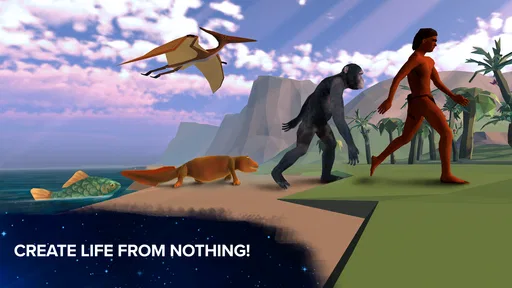
Once you fire up Cell to Singularity, you're greeted with a simple yet intriguing interface. The game begins at the dawn of life, with a single-celled organism. From there, it’s your job to evolve life through various stages, unlocking new species and technologies along the way. You’ll find yourself mesmerized as you tap to collect entropy, the currency of evolution, allowing you to progress through the ages.
The gameplay is straightforward but addictively fun. Each tap feels like a step forward in the grand scheme of evolution. The more you play, the more you unlock, from the first fish to land mammals, and eventually, humans. It’s a bit like a digital encyclopedia that you interact with, learning and evolving as you go.
The Art and Science of Evolution
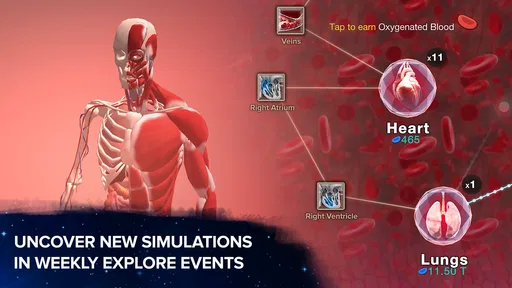
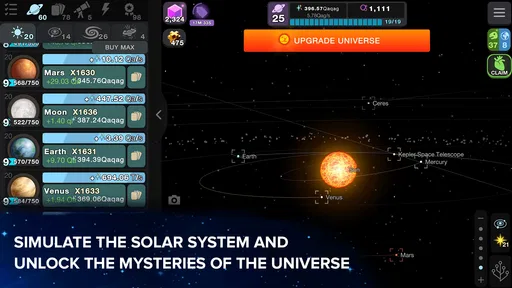
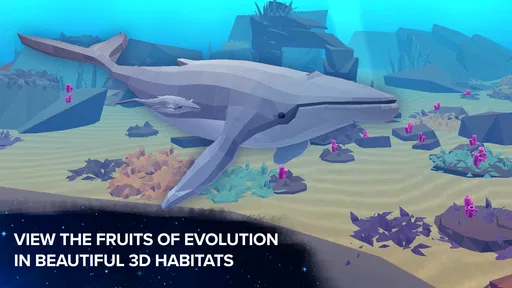
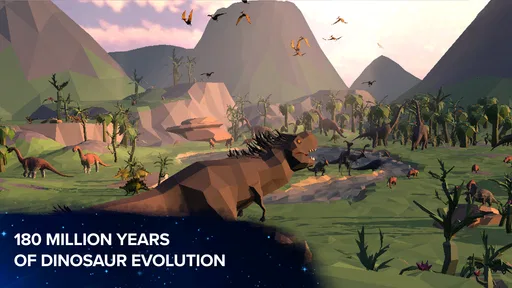
The developers have done an impressive job of making sure the game is both entertaining and educational. The graphics are simple but effective, with each new species and technology beautifully illustrated. The interface is clean, and the evolutionary tree is easy to navigate. It’s not just about tapping mindlessly; there’s a sense of purpose as you watch life unfold before your eyes.
What really stands out is the amount of scientific detail woven into the game. Each new discovery is accompanied by fascinating facts about the species or technology you’ve unlocked. It’s like taking a crash course in biology, but in the most enjoyable way possible. If you’re someone who loves learning, this game is a goldmine of knowledge.
What Keeps You Coming Back?
One of the most appealing aspects of Cell to Singularity is its idle game mechanics. Even when you’re not actively playing, the game continues to evolve, gathering entropy for you to spend when you return. It’s a perfect game to dip in and out of, making it ideal for those quick breaks during a busy day.
The game also offers various challenges and achievements, which gives you goals to work towards. These keep the gameplay fresh and exciting, ensuring you always have something new to strive for. Plus, the developers frequently update the game with new content, introducing fresh elements to explore.
A Few Considerations
While the game is free to play, it does offer in-app purchases. However, they’re not necessary to enjoy the game fully. You can progress at your own pace without spending a dime, which is a big plus in my book.
Occasionally, the game can feel a bit repetitive, especially in the early stages when progress is slow. But once you get past that initial hump, the game’s depth and variety really start to shine.
Final Thoughts
In the end, Cell to Singularity: Evolution is more than just a game; it’s a journey through time. It’s a perfect blend of fun and education, making it a must-try for anyone with an interest in evolution or science. The game’s ability to engage you with its simple mechanics while educating you about the history of life is nothing short of impressive. So, if you’re ready to embark on a thrilling evolutionary adventure, give it a try. You might just find yourself hooked on the journey of life itself.
Privacy and Permissions
See what permissions an app requests and how it handles your data.
- Other
- view network connections, full network access, prevent device from sleeping, Google Play license check
Verdict
Strengths of Cell to Singularity: Evolution
- Engaging evolutionary gameplay loop.
- Stunning graphics and animations.
- Educational insights on evolution.
- Frequent updates with new content.
- Intuitive and user-friendly interface.
Limitations of Cell to Singularity: Evolution
- Requires constant internet connection.
- In-app purchases can be pricey.
- Ads can interrupt gameplay.
- Progress can feel slow without purchases.
- Limited offline play options.
Similar Picks in This Category
View All
Truckers of Europe 3
Wanda Software4.3

Town Building Life Simulator
XGame Global4.2

Fidget Toys Trading・Pop It 3D
Freeplay Inc4.7

Sculpt People
CrazyLabs LTD4.4

Scary Teacher 3D
Z & K Games4.2

Hair Tattoo: Barber Shop Game
CASUAL AZUR GAMES4.3
Frequently Asked Questions
What is the main objective of Cell to Singularity: Evolution?
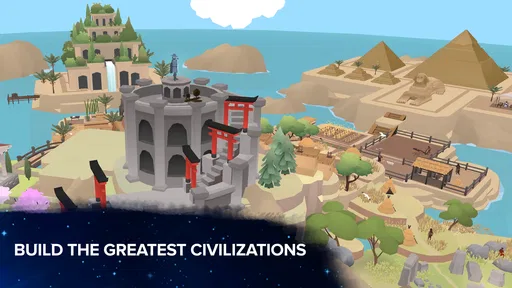
Cell to Singularity: Evolution is a simulation game where players explore the history of life on Earth, from the primordial soup to the development of complex civilizations. The main objective is to unlock evolutionary milestones by generating entropy, allowing players to advance through various stages of life and discover new technologies.
Is Cell to Singularity: Evolution a free-to-play game?
Yes, Cell to Singularity: Evolution is free-to-play on both Android and iOS platforms. However, it offers in-app purchases for players who wish to enhance their gameplay experience or progress more quickly by acquiring additional resources or unlocking premium features.
Does Cell to Singularity: Evolution require an internet connection?
While Cell to Singularity: Evolution can be played offline, certain features such as updates, cloud saving, and in-app purchases require an internet connection. Being connected also allows players to access daily rewards and participate in special events that may occur within the game.
How does the game handle educational content?
Cell to Singularity: Evolution integrates educational content by providing detailed descriptions and facts about each evolutionary milestone. This approach helps players learn about biology, geology, and anthropology while engaging in an entertaining gameplay experience, making it suitable for a wide range of age groups.
Can progress be synced across multiple devices?
Yes, Cell to Singularity: Evolution allows players to sync their progress across multiple devices by connecting to a Google or Apple account. This feature ensures that players can continue their evolution journey seamlessly, whether they're using a smartphone or a tablet.
Play our best games!


